News Details
Health Ingredients • OEM & ODM • Reliable Quality
Health Ingredients • OEM & ODM • Reliable Quality
Tea polyphenols are a premium class of botanical natural markers naturally isolated from the leaves of Camellia sinensis, known widely as green tea. This non‑fermented herb originates from temperate and subtropical regions of Asia, and its leaf extract has grown popular within the global nutraceutical industry.
Green tea thrives in temperate, humid regions. Soil quality, harvest time and plant maturity will affect the phytochemical profile of its leaves. The leaf part accumulates the highest concentration of tea polyphenols. Variance exists in the composition of catechins in different green tea leaves. Most modern phytochemical research focuses on compounds extracted from green tea leaves.
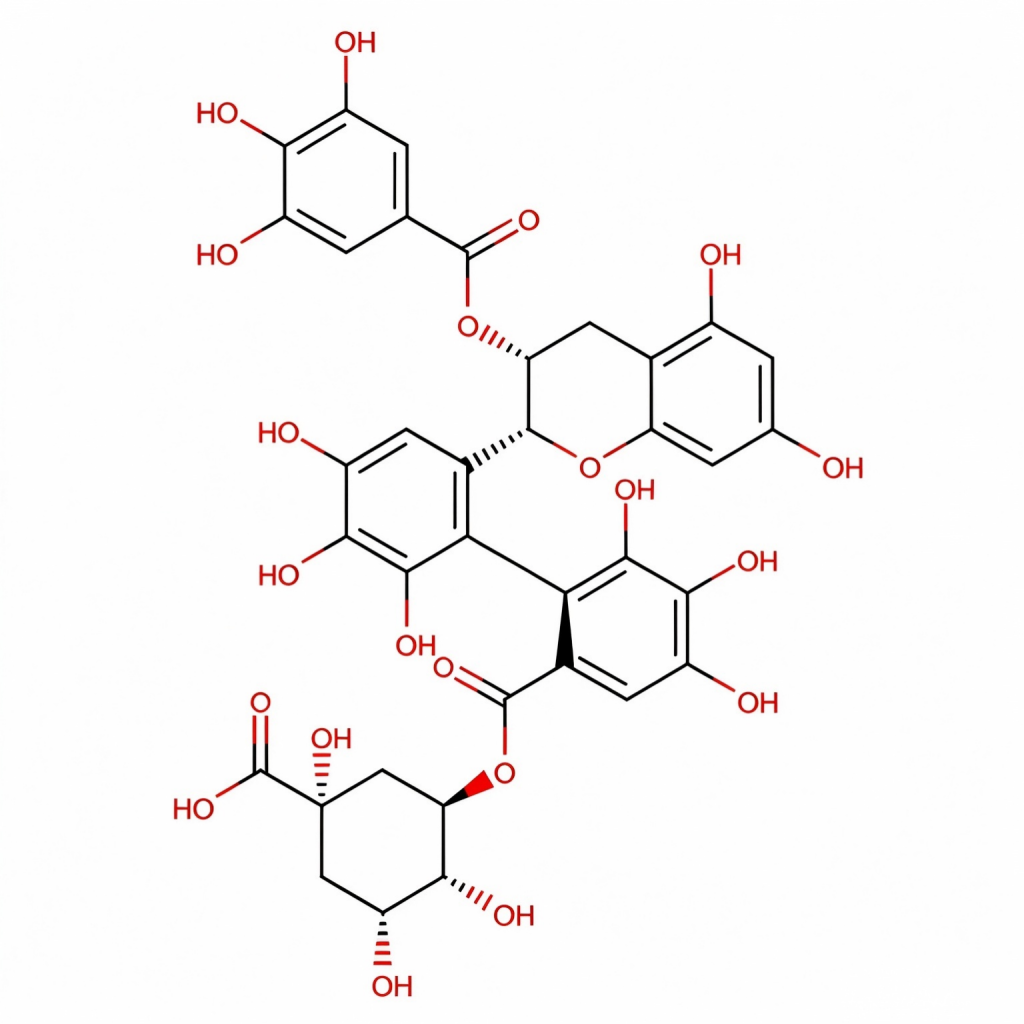
Tea polyphenols belong to polyphenol‑type natural antioxidants. It is not a single chemical molecule, but a family of structurally related phytochemicals. Well‑studied members include EGCG, EGC, EC and ECG. Each monomer carries a unique chemical structure and research profile.
Other constituents found alongside tea polyphenols in green tea leaf include natural caffeine and polysaccharides.
Tea polyphenols serves as the general name for this whole compound family. Total tea polyphenols is an analytical QC term. Since dozens of catechin analogues exist, testing every single monomer in routine batch analysis is impractical and cost intensive. Total tea polyphenols refers to the sum of all HPLC‑detectable polyphenol‑type compounds in one sample. This naming rule removes ambiguity in specification sheets and technical documents.
Two samples with identical total tea polyphenols value may still have different ratios of individual catechin monomers.
Disclaimer: All content is for botanical ingredient education only. Related research results come from laboratory study and do not constitute medical claims. Dietary supplements are not medicines.
High Performance Liquid Chromatography (HPLC) is the standard method to quantify tea polyphenols. This method can separate individual catechin monomers and calculate total tea polyphenols content.
Green tea extract rich in tea polyphenols is a common component for nutraceutical formulations. It is widely used for antioxidant supplement development, available in powder form for capsules, tablets and powder blends.
Formulators check multiple quality indicators during raw material selection, including tea polyphenols assay, heavy metals, pesticide residues and microbial safety. Stable batch consistency is essential for large‑scale supplement manufacturing.
Looking for green tea extract specifications or samples? Hunan Tenghui supplies Camellia sinensis leaf extract with HPLC tested tea polyphenols, batch COAs and OEM sample support.