News Details
Health Ingredients • OEM & ODM • Reliable Quality
Health Ingredients • OEM & ODM • Reliable Quality
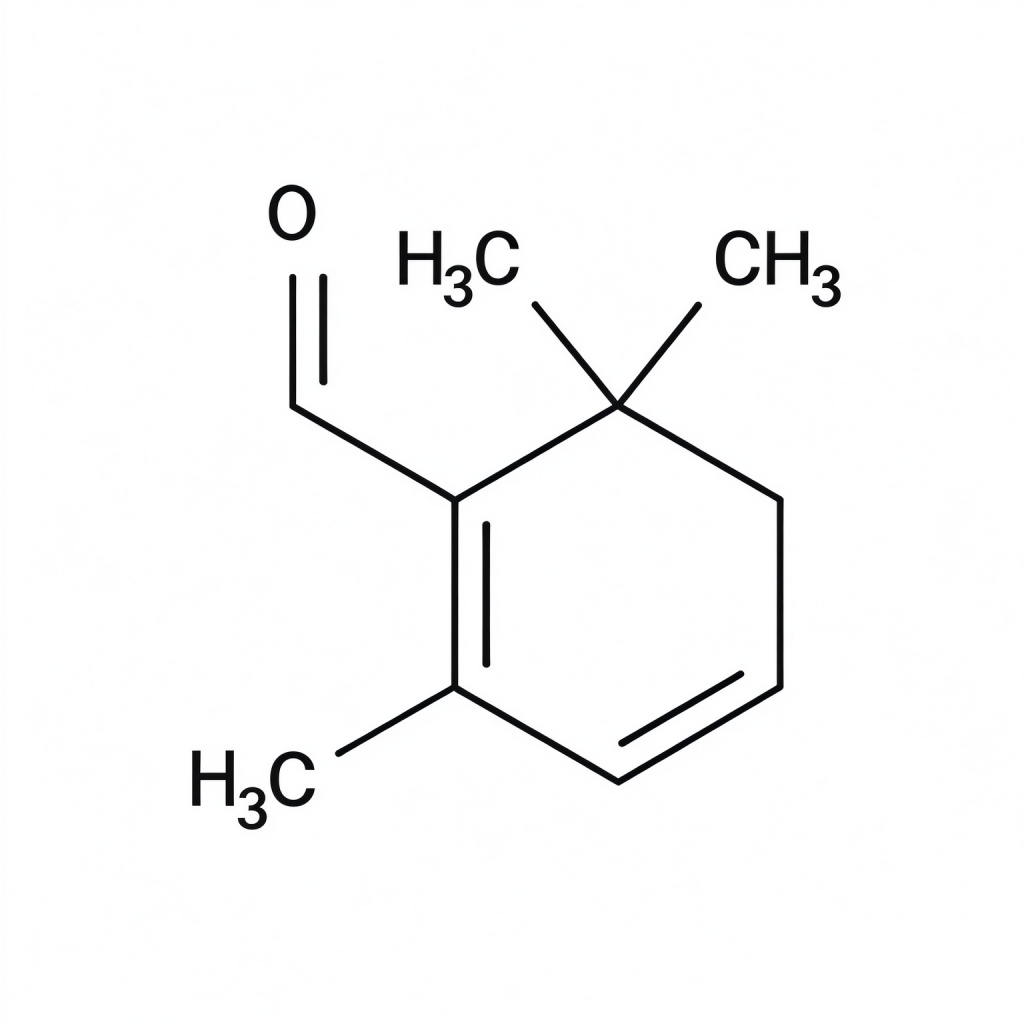
Saffron, derived from the dried stigmas of Crocus sativus, is well known for its distinctive fragrance and wide application in botanical formulations. The compound responsible for this one-of-a-kind scent is safranal, a volatile apocarotenoid and one of the most important marker substances for standardized saffron extract.
Fresh saffron stigmas contain only trace amounts of safranal. Most safranal forms when picrocrocin breaks down during drying, curing and extraction. This chemical conversion is the reason properly processed saffron develops its rich, recognizable aroma.
Safranal is oil-soluble and highly volatile. It can easily evaporate under high heat or prolonged open storage, which makes proper handling essential during formulation.
| Item | Details |
|---|---|
| Sensory trait | Warm, honeyed, spicy herbal aroma unique to saffron |
| Solubility | Dissolves in oil, ethanol and organic solvents; nearly insoluble in water |
| Detection method | GC or HPLC for quantitative testing |
| Quality role | Indicator to judge whether saffron raw material is fully cured |
Safranal comes from the degradation of picrocrocin. Under heat and storage conditions, picrocrocin splits into safranal and glucose.
Saffron also contains crocin, crocetin, flavonoids and polysaccharides. Each component carries its own characteristics, and they may work together to deliver the botanical benefits of saffron extract.
Many academic studies have explored the bioactivity of safranal. Two main research directions are widely discussed among formulators. First, safranal exhibits antioxidant activity and helps neutralize free radicals, supporting the value of saffron extract for both oral supplements and topical skincare. Second, a number of preliminary studies focus on its calming and mood-balancing potential. This is why saffron extract with safranal is frequently used in relaxation-focused nutraceutical blends.
Disclaimer: This article serves only as ingredient knowledge sharing. It does not constitute medical claims. All finished product labeling must follow local regulatory rules in the US, EU and other target markets.
Safranal acts as a key quality marker for saffron used in mood and relaxation formulas. Since it is volatile, formulators should avoid high-temperature steps like granulation, tableting and drying to prevent loss. It is commonly combined with ashwagandha, lemon balm and other gentle herbal ingredients.
With its characteristic herbal aroma and antioxidant properties, safranal-containing saffron extract suits brightening and soothing skincare lines. Formulators need to run fragrance compatibility tests before mass production, as its scent is strong and may interact with other perfume materials.
Trusted suppliers test safranal via GC or HPLC to keep consistent batch quality. For storage, seal the material tightly and keep it in cool, dark surroundings to reduce volatile loss. Generally speaking, higher safranal content means the saffron raw material has gone through sufficient curing and has better quality. A complete COA should cover safranal assay, heavy metals, microbiological limits and pesticide residue tests.
Safranal bridges the sensory feature and functional value of saffron. Understanding its stability helps brands develop more stable, reliable finished products with saffron extract.
[Request a COA / Quote] (https://www.thsway.com/contact-us/)
[View Saffron Extract Product Page](Saffron Extract | Safranal 0.3% & Crocin)