News Details
Health Ingredients • OEM & ODM • Reliable Quality
Health Ingredients • OEM & ODM • Reliable Quality
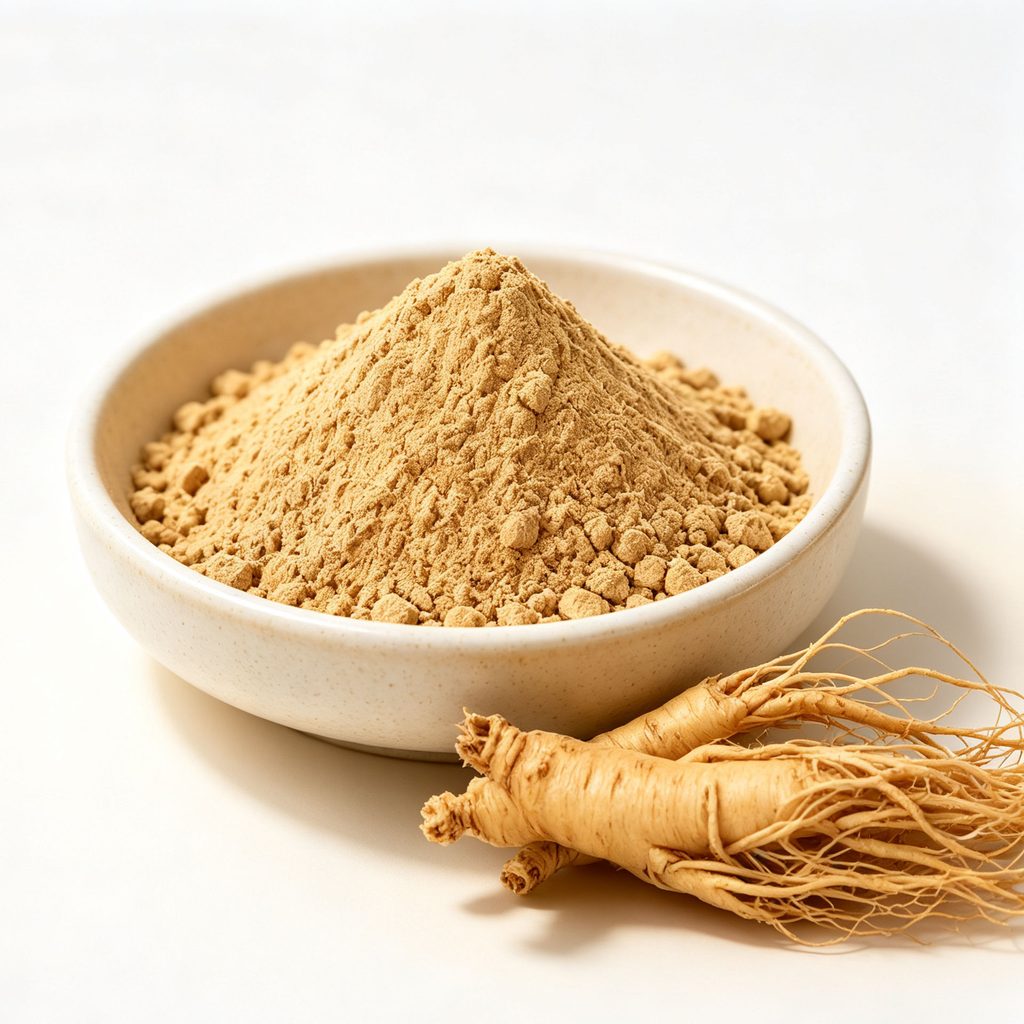
Panax ginseng extract is a widely used botanical ingredient in nutraceuticals, sports nutrition and wellness formulations. This guide covers its origin, active compounds, common sourcing mistakes, B2B applications and practical checks for bulk buyers.
Panax ginseng is also called Asian ginseng. It is a slow‑growing perennial herb from Northeast Asia. It grows best in cool mountain climates, partial shade and well‑drained soil.
Commercial ginseng extract is usually made from the mature tap‑root. Young roots contain fewer active compounds. Roots grown in mountain areas with large day‑night temperature differences tend to accumulate higher ginsenoside levels.
Many new buyers confuse Panax ginseng with Siberian ginseng. Siberian ginseng, also known as Eleutherococcus senticosus, is not true Panax ginseng. It belongs to a different plant genus and contains different active compounds.
Suppliers sometimes use cheaper Siberian ginseng as a substitute. Buyers may receive a lower‑priced ingredient, but it is not the same as authentic Panax ginseng root extract.
The main active compounds in Panax ginseng extract are ginsenosides. Common subtypes include Rb1, Rb2, Rd, Rg1 and Re. Ginseng extract also contains polysaccharides, amino acids and flavonoids.
Many buyers focus only on the extract ratio, such as 10:1 or 20:1. This is a common mistake.
A high extract ratio does not guarantee high ginsenoside content. The ratio only shows how much raw herb was used to make the extract. It does not tell you the actual level of marker compounds.
For quality control, buyers should check HPLC test results. A reliable ginseng extract specification should include total ginsenosides and individual monomer profiles.
| Item | Panax ginseng (Asian Ginseng) | Siberian Ginseng (Eleutherococcus senticosus) |
|---|---|---|
| Plant genus | Panax | Eleutherococcus |
| Main active markers | Ginsenosides Rb1, Rg1, Re, etc. | Eleutherosides |
| Typical applications | Energy support, fatigue reduction, immune health, cognitive function, men’s wellness | Stress support, adaptogenic blends |
| Quality check | HPLC for ginsenosides | HPLC for eleutherosides |
Panax ginseng extract is used in many types of finished products. It is a common ingredient in energy supplements, immune support products, sports nutrition and brain health formulations.
Formulators can add it to hard capsules, softgels, tablets, gummy supplements and custom powder premixes. It is also used in antioxidant skincare formulas.
Powder grades are usually suitable for solid supplements. Water‑soluble grades are more suitable for functional beverages.
Before placing a bulk order, buyers should check the following points:
Higher ginsenoside content is not always better. The best grade depends on your product design, regulatory requirements and budget.
[Request a COA / Quote] (https://www.thsway.com/contact-us/)
[View Ginseng Extract Product Page](Ginseng Extract | Ginsenosides 80%)